The full story
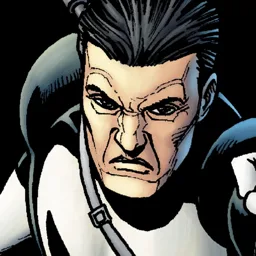
The Punisher Season 2 deepens the exploration of Frank as a weapon and a man. The season begins with Frank still pursuing vengeance but facing new obstacles and new questions. He has killed many people responsible for his family's death, but resolution has not come. Revenge has not healed the trauma.
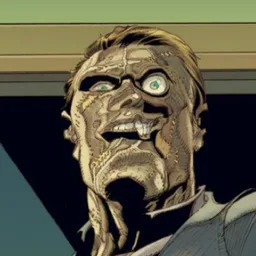
The season introduces new antagonists who represent different models of power. These antagonists challenge Frank's worldview—they are competent, principled, and willing to use violence. They show Frank that people who disagree with him morally are not necessarily inferior or wrong. They simply make different choices.
Karen Page's storyline continues. She has been complicit in violence and must grapple with what responsibility means. She argues for different approaches to justice than Frank pursues. The season suggests that Karen's approach is not obviously inferior to Frank's—they simply represent different values and different willingness to accept consequences.
The season also explores Frank's psychology more deeply. Frank tells himself that killing is necessary, that the targets deserve death, that he is doing what justice systems cannot do. But the season suggests that Frank may be using ideology to justify violence he simply wants to commit. The line between justified revenge and unjustified violence is thinner than Frank wants to believe.
The season ends with Frank having faced his demons more directly but not having resolved them. He understands that he is not simply a weapon—he is a man with agency who has chosen to become a weapon. This choice defines him more than any forced circumstance does.
By the season's conclusion, Frank accepts what he is becoming. He is not a hero. He is not pursuing justice. He is pursuing punishment, and he is willing to become a weapon to deliver it. This acceptance is not redemption. It is recognition of the path he has chosen and the price it demands.