


The full story
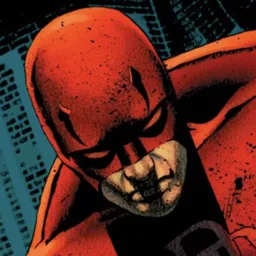
Daredevil Season 3 returns to the central question: can Matt Murdock sustain his double life when his true identity is exposed? The season opens with Matt broken, both physically and spiritually. His secret is public. His city is vulnerable. The people who care about him are endangered.
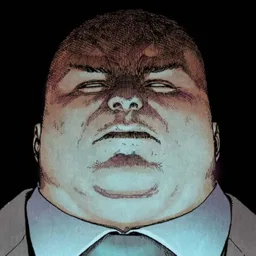
Wilson Fisk returns to power, having spent his time in prison building new networks and planning new schemes. Fisk is more dangerous than before because he is no longer constrained by the need for secrecy. He has accepted his nature as a criminal and is willing to operate openly within criminal structures.
Kingpin emerges as a potential ally to Fisk, and the season explores different expressions of power. Fisk seeks to dominate through control. Kingpin seeks to dominate through fear. The distinction matters because it suggests different approaches to the problem of power.
Matt's struggle this season is not primarily about stopping Fisk. It is about determining whether he can be the person he wants to be—a lawyer, a man of faith, someone worthy of love—while also being Daredevil. The season suggests these identities cannot coexist indefinitely. Matt must choose.
Karen Page's storyline reaches its climax this season. She has been involved in violence, and that violence has consequences that echo forward. Her choices and Matt's choices intersect in ways that determine the fates of multiple characters. The season does not absolve her of responsibility but shows her grappling with it.
By the season's end, Matt has made a kind of peace. He is no longer trying to be both lawyer and vigilante. He is accepting that he is fundamentally a man who uses violence to pursue justice, and that this makes him something other than a traditional hero. He has not found redemption, but he has found acceptance of what he is.