The full story
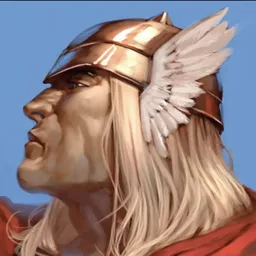
Thor is having a midlife crisis. After the events of Endgame, he left New Asgard in Valkyrie's capable hands and joined the Guardians of the Galaxy. But he doesn't fit. He's searching for purpose, for meaning, for something to fill the void left by everyone he's lost.
Then Gorr arrives.
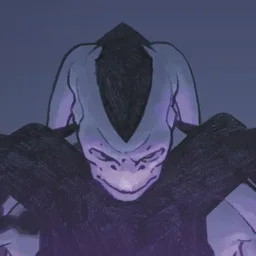
Gorr the God Butcher was once a devout man whose people died praying to a god who never answered. When he finally met that god—a callous, cruel being who mocked his suffering—Gorr found the Necrosword, a weapon that kills immortals. Now he hunts gods across the universe, and his hatred is righteous. The gods let his daughter die. The gods let countless civilizations suffer. Why should they live?
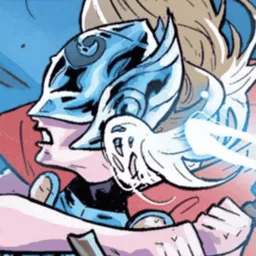
Thor races to save the gods of the universe, but he's too late for most. At one battle, something impossible happens: Mjolnir, shattered by Hela years ago, reassembles itself—and flies to Jane Foster. She becomes the Mighty Thor, wielding lightning, fighting alongside the man she once loved.
Jane is dying. Stage four cancer. The hammer calls to her because Thor once enchanted it to protect her—but every time she transforms, the magic drains her mortal body's ability to fight the disease. Being a hero is killing her, and she does it anyway.
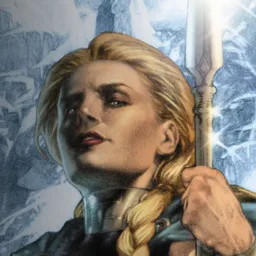
Gorr kidnaps the children of New Asgard to lure Thor to the Gates of Eternity, where he can wish for the death of all gods. The rescue mission takes Thor, Jane, Valkyrie, and Korg to the Shadow Realm, a colorless dimension where Gorr is strongest.
The final battle happens at the center of the universe. Gorr reaches Eternity. He can make one wish. Thor and Jane fight him together—two Thors, two hammers, lightning against shadow. Jane shatters the Necrosword, but the effort is too much. She's dying.
Thor convinces Gorr to use his wish not for destruction but for love. Gorr wishes his daughter back to life. He dies at peace, asking Thor to care for her. And Jane Foster dies in Thor's arms, finally letting go.
The epilogue redefines Thor's purpose. He adopts Gorr's daughter, Love, and they adventure together across the universe—not as Avengers, but as family.
The mid-credits scene introduces Hercules, sent by a humiliated Zeus to kill Thor. In the post-credits scene, Jane Foster arrives in Valhalla, welcomed by Heimdall among the honored dead. The cosmic corner of the MCU keeps expanding.